

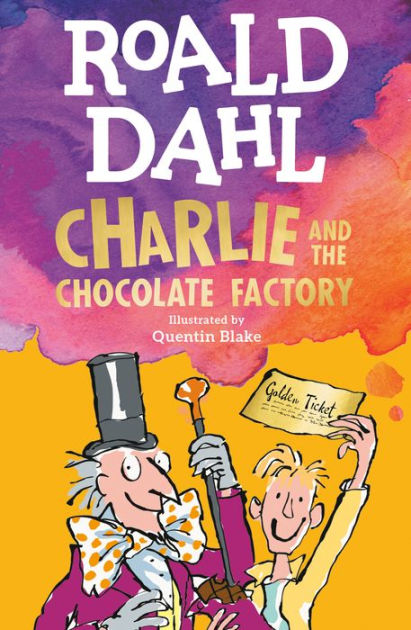
Willy Wonka stays with you from the first page because the story moves fast, stays strange, and never talks down to you. Dahl gives you a world that runs on wonder and menace at the same time, and you feel pulled right into the factory doors before you even realize it. I had fun reading it. Real fun. The kind you only get when a book keeps surprising you.
One of the first things that stood out to me was how close the tone in the book is to the Gene Wilder film. The movie made a lot of choices that felt bold at the time, but after reading the book again, it is clear it followed Dahl's rhythm with care. Wilder's performance lined up with the version of Wonka on the page. The charm is there. The quick shifts from warm to cold are there. The sense that Wonka knows more than he lets on carries over.
You get the same balance of humor and danger in the book. These kids do not end up in soft situations. Their worst traits hit them hard. Dahl wrote these moments with a sharp edge, but he kept the scenes bright and playful. The movie used the same approach, which is why the factory feels safe and unsafe at the same time.
The biggest difference for me came from the Oompa Loompa. In the Wilder film, they have a more polished stage presence. Same orange faces, same green hair, same musical numbers burned into your memory. In the book, though, they read very differently. I pictured them as little cavemen. Rough. Wild. More like a tribe that tells stories with their whole bodies. Their songs hit harder in the book because they feel like warnings from a people who have seen too much and earned the right to speak their minds. It gave the factory a rawer energy.
Another thing Dahl does better than most writers is pacing. You jump from one room to the next without getting lost. The Chocolate River scene plays fast. The Nut Room goes straight for the punch line. Violet's moment happens in a blink. Dahl trusted the reader to keep up, and that trust keeps the tension strong. Even when you know what is coming, you keep turning pages because the next room might top the last one.
Charlie himself is written with a clean, steady voice. No overdone drama. He wants simple things. Security. A little comfort. His kindness stands out more because Dahl does not decorate it. Charlie just stays good, even when the world pushes him around. That makes his win at the end feel earned and honest.
Finishing the book made me want more of this world. There is something exciting about a factory where anything can happen. Dahl built a setting strong enough to revisit. So I am looking forward to reading the sequel, Charlie and the Great Glass Elevator. If it carries the same mix of humor, danger, and heart, I am ready for the ride.