Review of The Pitman Painters
By: Michael A. Arnold

Art
history is not just big movements and great people. Sometimes little
pockets of artists are in the same place and develop something that
(while not wildly famous or influential on some kind of historic
scale) is still worth talking about and appreciating.
There
have been so many small, short lived circles or movements across the
history of art it would be difficult to pick one to start off with,
but one really I want to draw attention to is the Pitman Painters
around the English county of Northumberland, and focused on the town
of the Ashington.
Ashington
is still a very working class town. The kind of place where (in some
places at least) the rows and rows of old, cramped, cheap housing
seems to stretch from horizon to horizon – in a maze of tightly
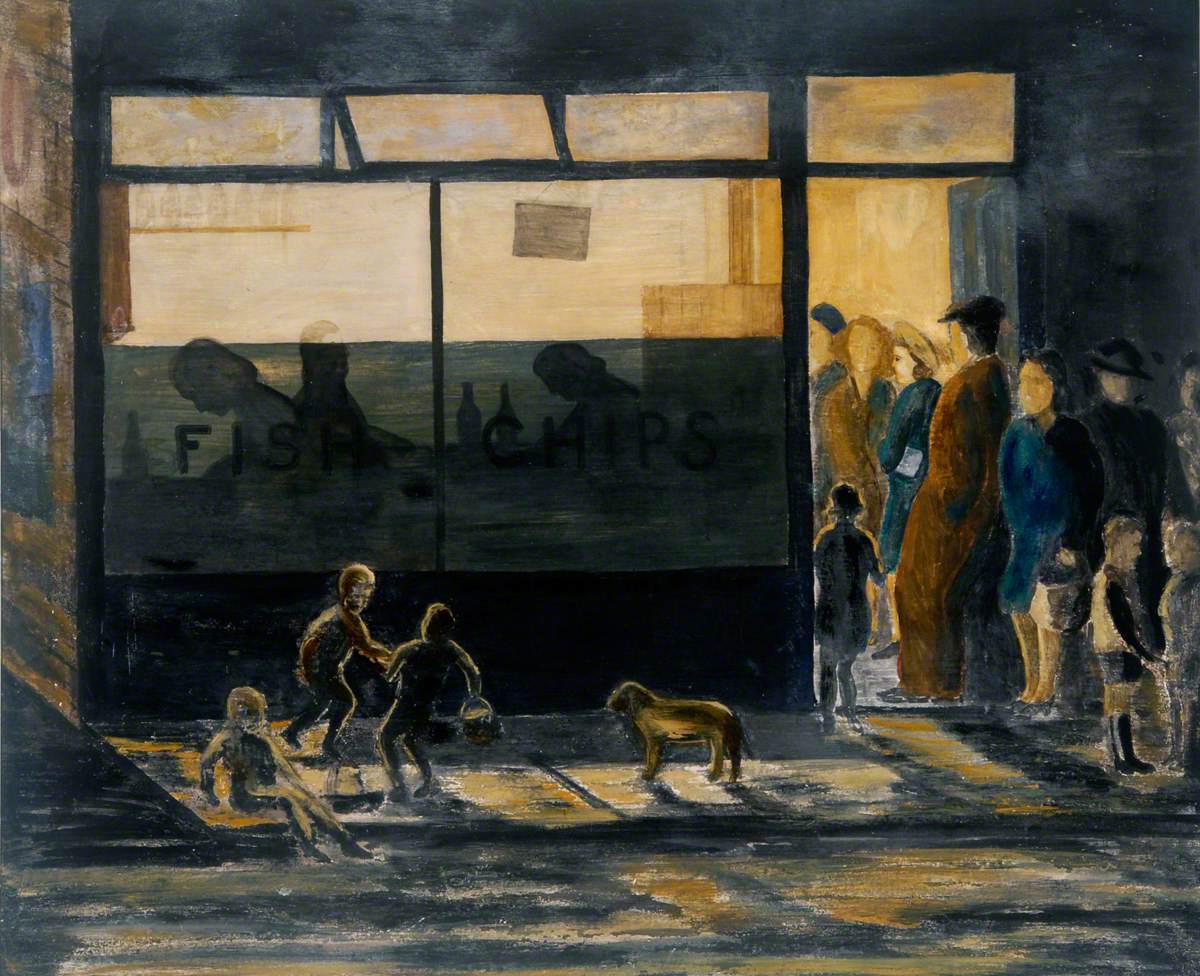
condensed streets broken only by the occasional small shop, chip shop
(a chippy) or a pub. Much of it looks and feels like it would have
back in the depression era 1930s. It is not exactly the first place
you might think to go to for artistic inspiration – but the
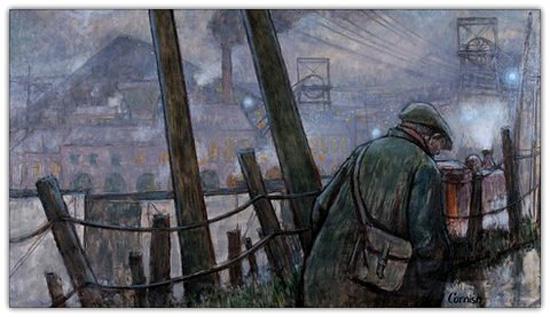
Pitman Painters (also called The Ashington Group) found subjects and
even beauty among this tough-living, industrial area in the north of
England.
The
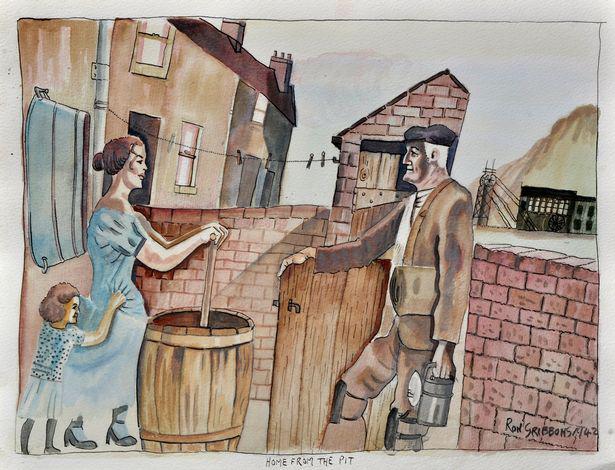
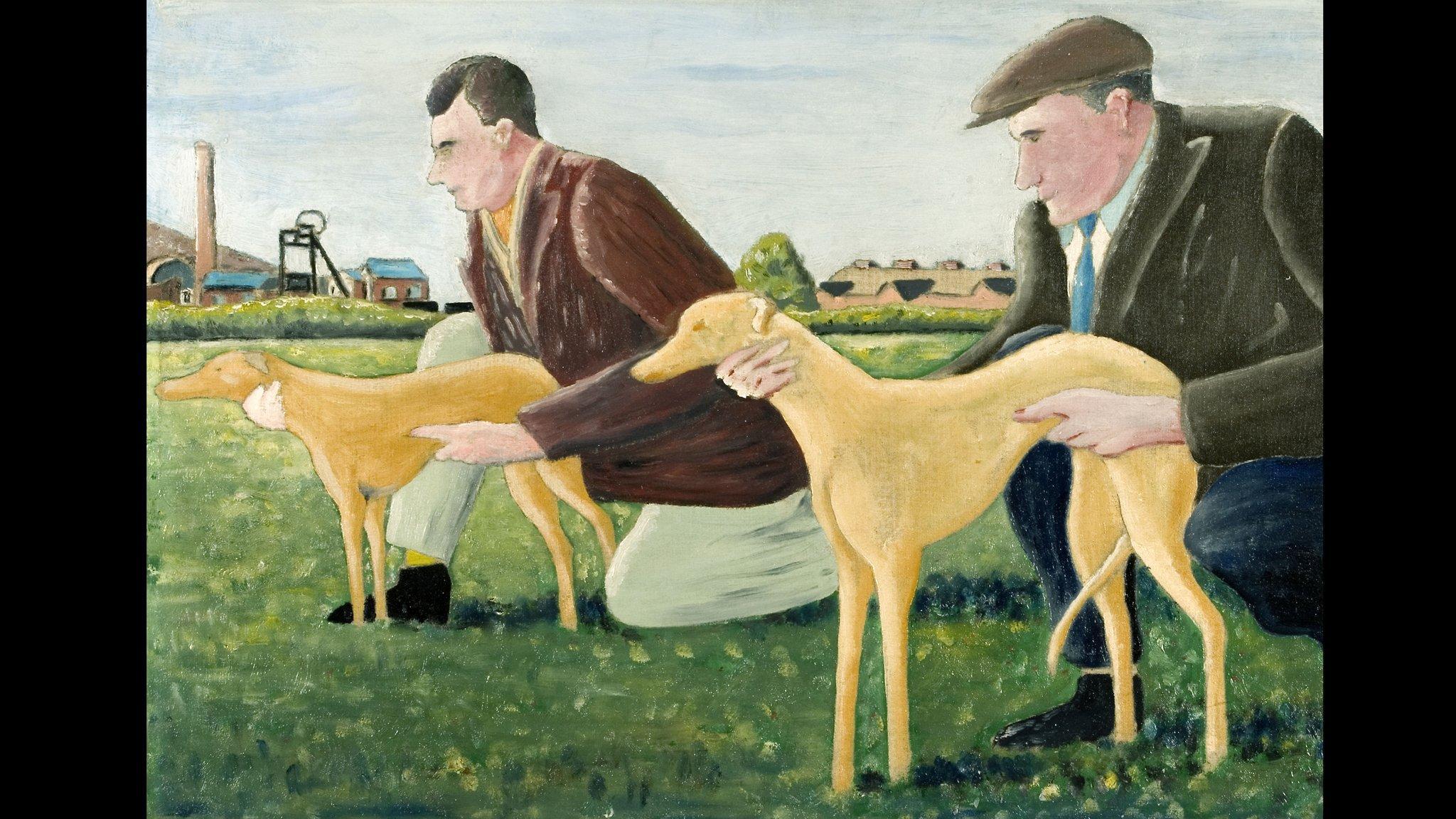
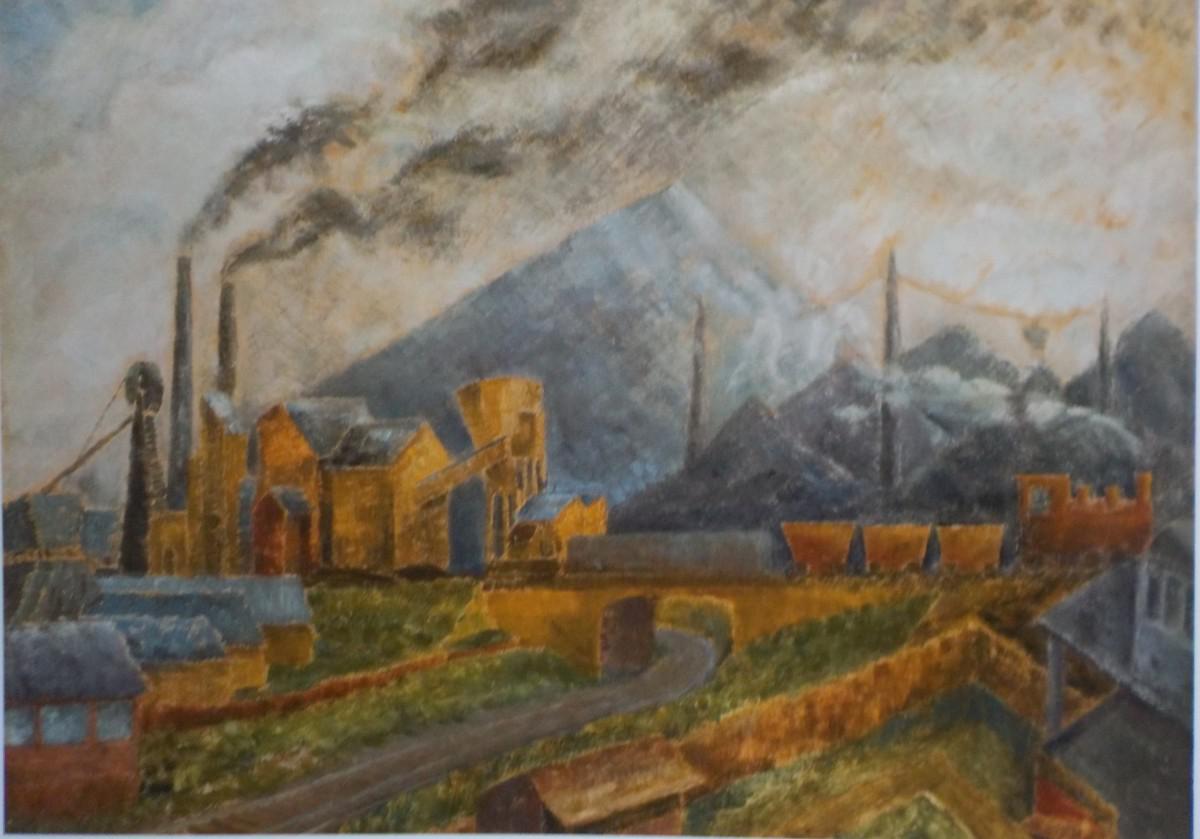
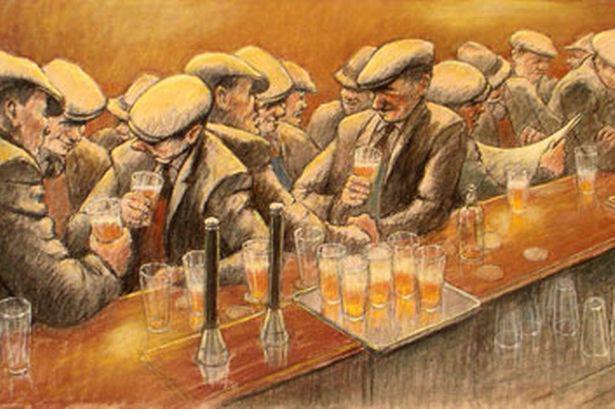
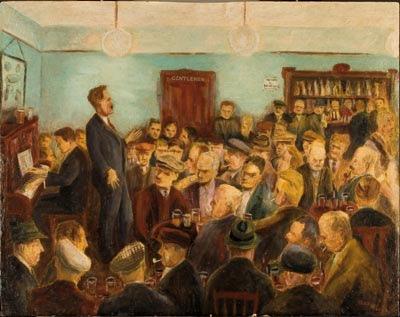
Pitman Painters were a group of largely amateur artists who together
produced hundreds of paintings showing what life was like in their
under-privilaged, work-every-day communities. The movement started as
an art appreciation class in 1934, through the Workers Education
Association (or ‘the WEA’) a voluntary organization that
still organizes classes and courses to teach adults new skills and
develop existing ones for small fees. The tutor of the course in
Ashington thought the best way to learn about art was to create it,
and so that is what happened – and this made the classes
surprisingly popular. So for the next 50 years these amateur artists
would meet every week to paint and try out their new interest. Over
the years a growing number of really talented artists developed, soon
experimenting with different styles, techniques and materials, and
using their lives and landscape as inspiration.
What
began as a hobby soon found critical, and in some cases even
commercial success. By the end of the 1930s, work by the ‘Pitman
Painters’ was being featured in galleries in major cities. Some
of them even developed serious and respected art careers.
However
following WW2, interest in the group and their depictions of working
class life in the industrial north started to wane, until it became
just another note in the forever changing and evolving history of
art. There are hundreds of almost forgotten stories and circles like
this, but the work of the Ashington Group is still worth paying
attention to – their work can still capture what real life can
actually feel like, and can even find beauty in it.
What
art is is very open to interpretation. If you were asked what it is,
your response will very much depend on how much exposure you have had
to different kinds and styles. A pile of rocks can be art to some,
and in the right context, yet to others that very idea is laughable.
As such talking about technical skill in art can also become tricky
quickly, and some of the work of the Pitman Painters can seem quite
crude and unrefined when you look at the small details. But is that
because of a lack of skill/talent or is it simply that they were not
trying to capture the world in a totally realistic way - like the
Modernists a few decades earlier?
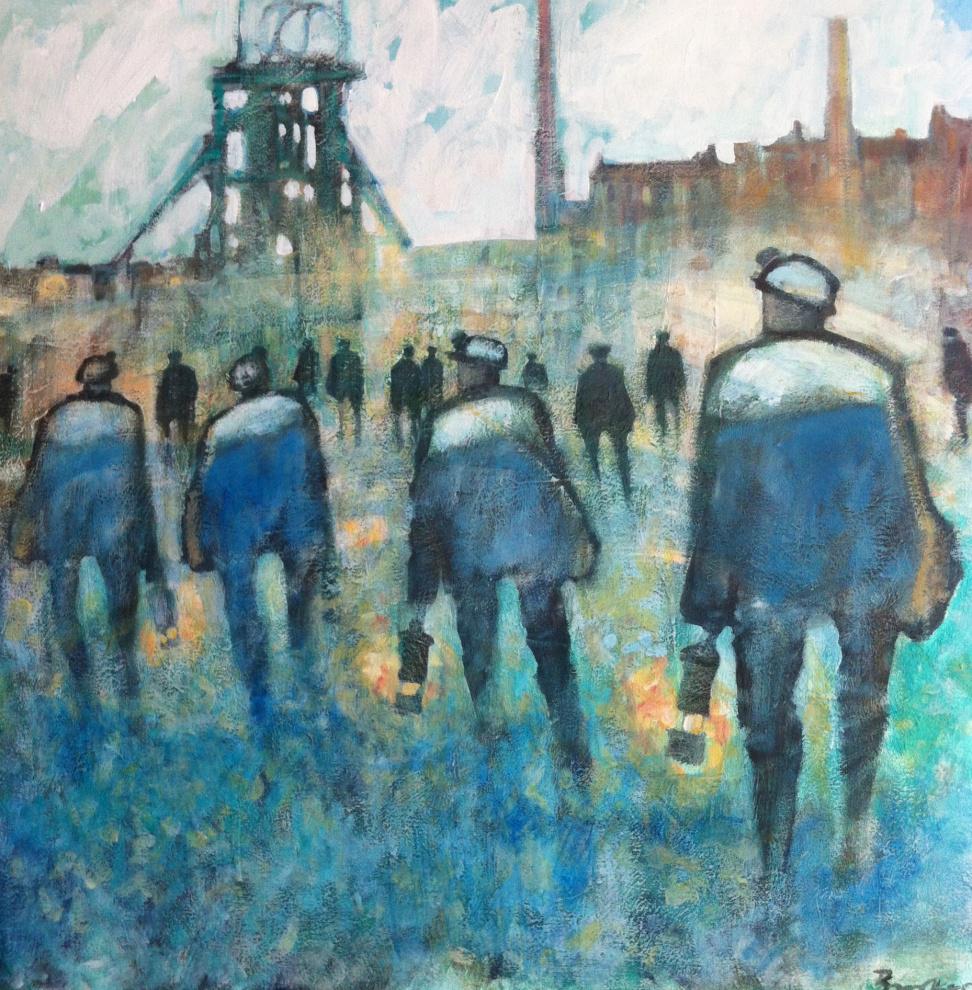
These
painters were working class miners who lived hard and dangerous
lives, often under the ground in endless dark tunnels. Because their
work might sometimes look crude, and because these painters were of
humble origins, it might be easy to snobbishly dismiss their work. I
do not think this is either right or fair.
Art
is fundamentally an expression of emotion. It can be ugly or
beautiful, refined or simplistic, and anything in-between. Even
though the subjects of these paintings are not traditionally
beautiful things, the Pitman Painters were able to find beauty and
hope in these scenes.
The
Pitman Painters, the Ashington Group, were really a small miracle,
especially considering how good quite a lot of their work actually
is. It was even discussed seriously at length in a book by the art
critic William Feaver in 1988, and has been the subject of a play
written by Lee Hall in 2007. These poor miners from Ashington have
left their mark on art history, and they really deserve more
attention and appreciation. But it also makes you think, how many
impressive works have been effectively lost, simply because they
never got the attention they deserved? How much art do we really know
about?